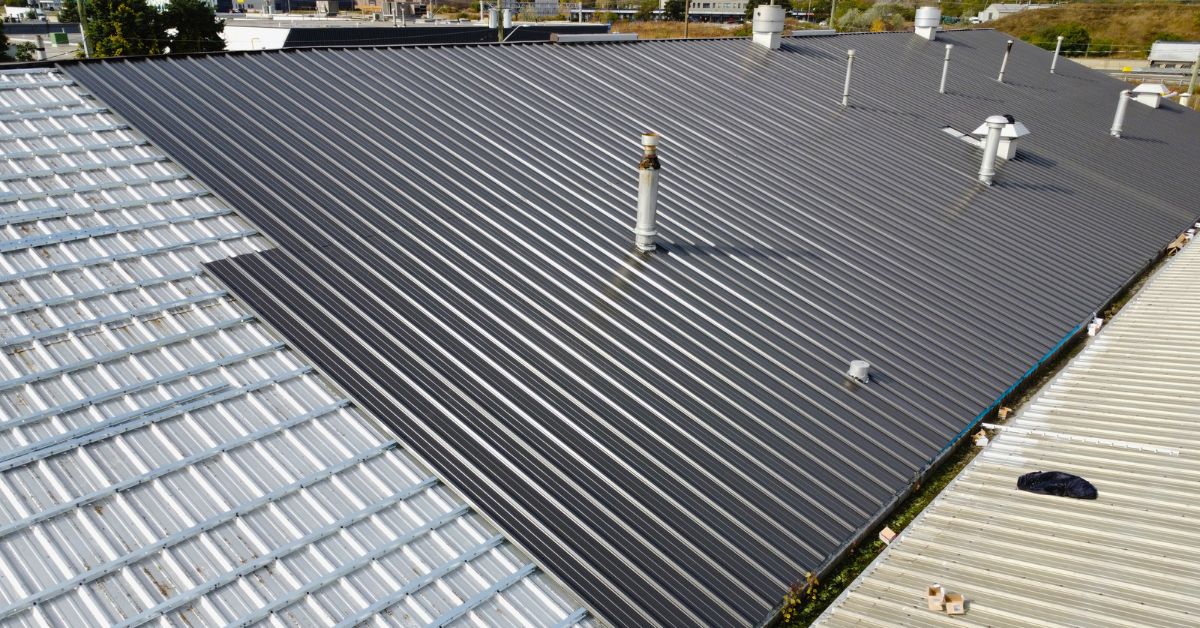
Commercial roofing in Ontario operates in conditions that cannot be compared to those of a private home. Large surface areas, rooftop mechanical equipment, and high responsibility toward tenants or production facilities. Any mistake in calculations or installation quickly turns into a real problem for the business.
The Canadian climate creates additional loads. Snow remains for months, temperature fluctuations cause constant freeze and thaw cycles, and in spring large amounts of water accumulate on the roof. In such conditions, the service life of a roof largely depends on the quality of installation.

Commercial Roofing Is an Engineered System, Not Just a Surface
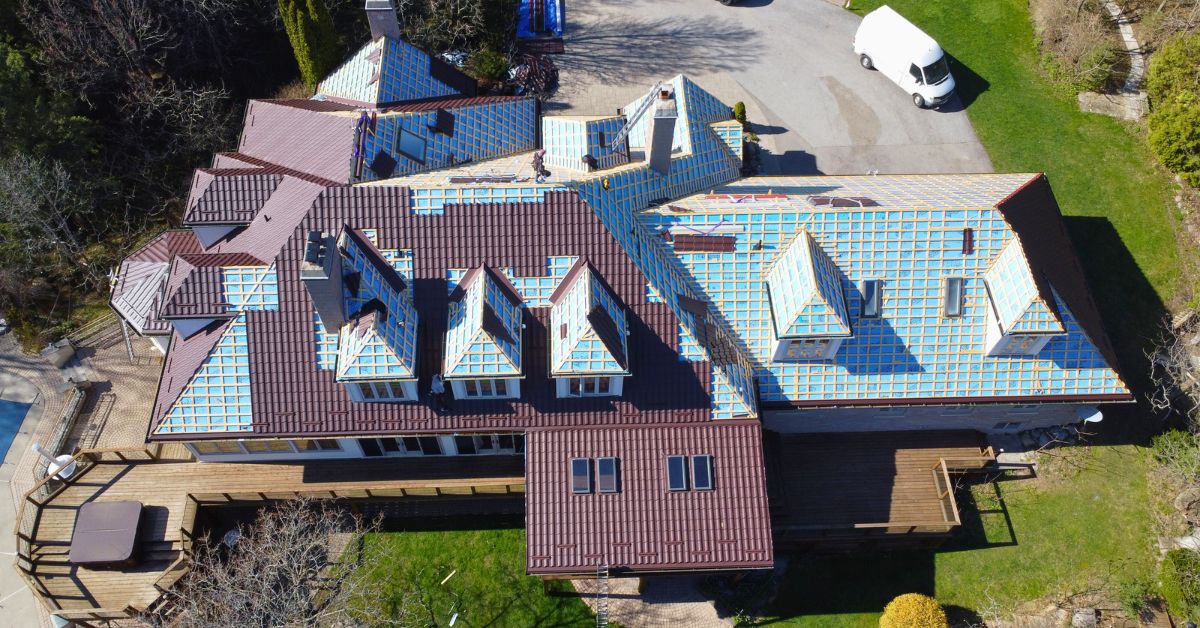
A commercial roof is a system made up of multiple layers in which each element affects the overall result. The structural deck, vapor barrier, insulation, waterproofing layer, drainage points, and equipment penetrations function as a single unit. An error in one component affects the entire system.
Loads in industrial and commercial buildings are distributed differently than in private homes. Spans are larger and the weight of equipment is higher, especially on buildings with installed HVAC systems or solar panels.
Flat membrane systems require precise calculation of slopes and drainage. Commercial metal roofs require consideration of thermal expansion and a proper fastening layout. In both cases, the roof is designed as an engineered solution rather than a decorative covering.
Snow Load Requirements in Ontario Directly Affect Roof Design
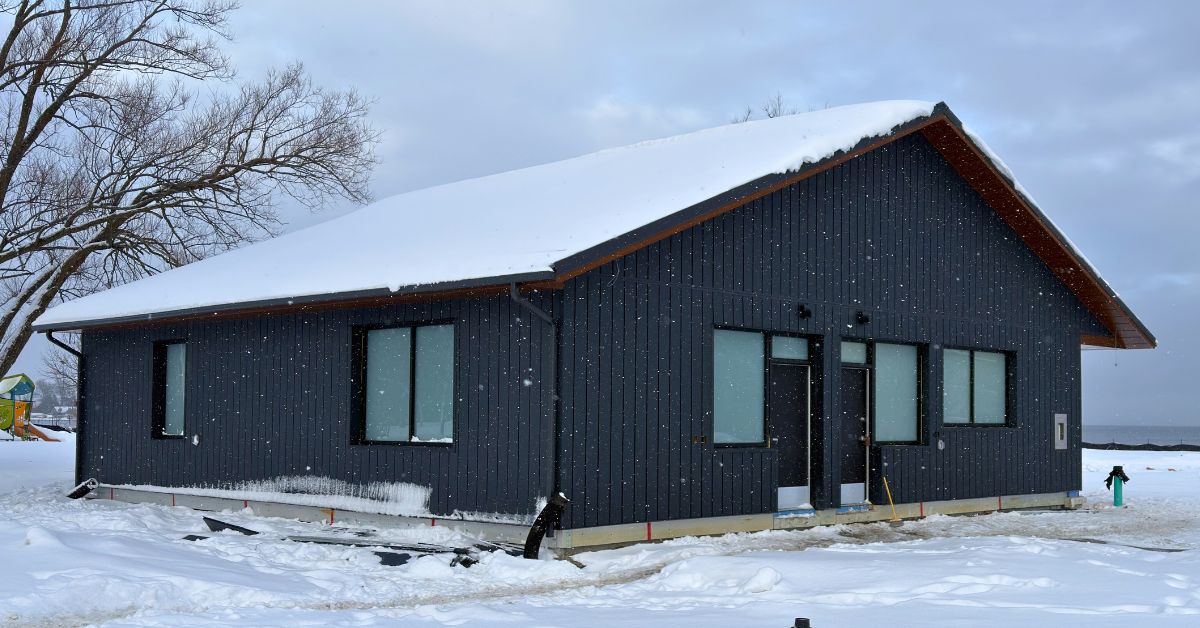
Snow in Ontario creates a constant load on the structure for several months, which means it cannot be ignored as a temporary factor. It’s important to think about not just the total weight of the snow, but also how the wind moves it around.
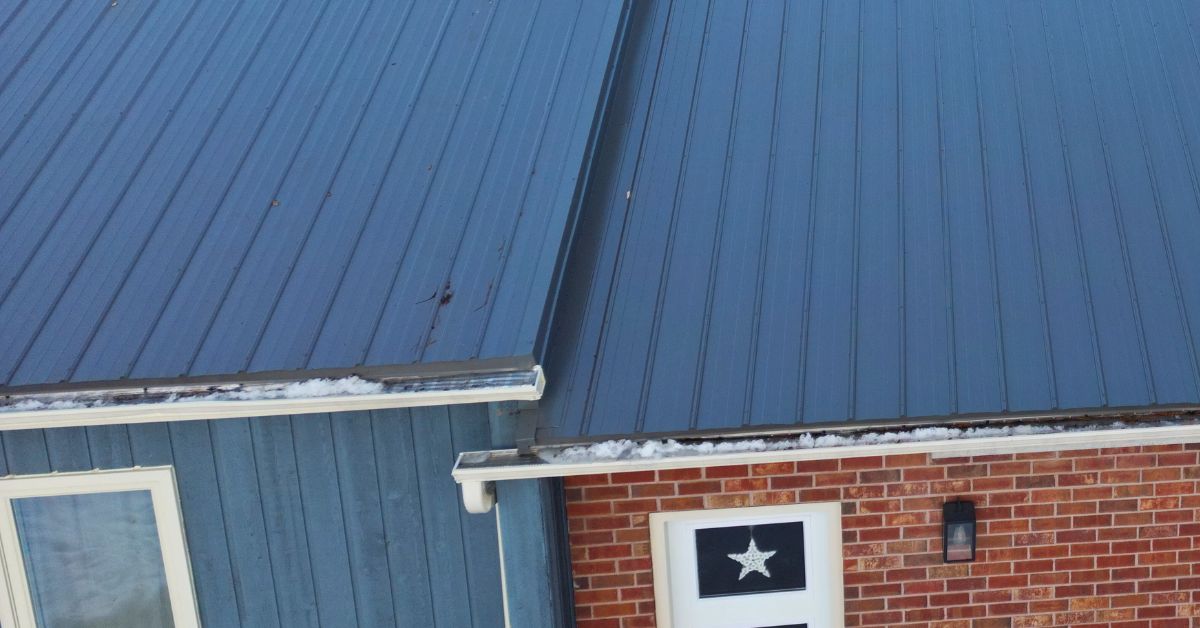
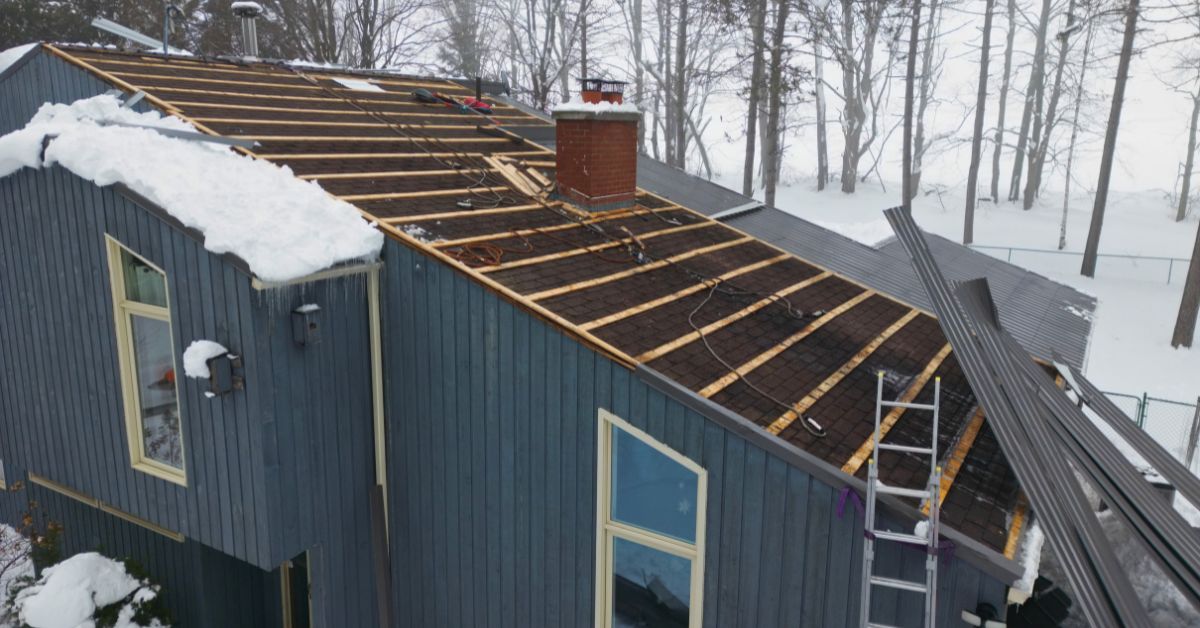
This is especially noticeable on flat roofs where snow accumulation zones form near parapets and around equipment. This can create local overloads that affect the roofing material. As for metal roofs, due to their slope snow sheds differently, however snow slides can occur that may tear off the drainage system and cause damage beneath the roof.
Commercial roof design in the region must account for code-required snow loads and actual building operating conditions. Ignoring these factors leads to deformation, leaks, and premature roof repairs.
Drainage Design Determines the Lifespan of a Flat Roof
When it comes to a flat commercial roof, water represents a much greater threat than snow. The main issue arises when water remains on the roof surface. It is essential to maintain the required slopes to ensure proper water runoff and prevent ponding areas from forming.
Standing water accelerates membrane wear, weakens seams, and contributes to gradual moisture penetration into the insulation. This issue may remain unnoticed for a long time, but internal damage continues to accumulate.
A properly designed slope system, internal drains, or organized external water discharge ensure the long-term service life of the entire roofing system. Drainage must be planned at the construction stage rather than corrected after the first leaks appear.
Rooftop Equipment Is One of the Main Risk Factors
On commercial buildings, the roof rarely remains empty. HVAC equipment, ventilation outlets, technical installations, and cable routes create dozens of penetration points. Each of these points is a potential source of leaks.
Errors in flashing installation or membrane damage during equipment servicing often become the cause of localized leaks. Clear coordination between roofing installers and other specialists is recommended. The roof should be prepared for equipment installation in advance in order to prevent possible damage.
Metal Commercial Roofs Require a Different Structural Approach
Commercial metal roofs operate on a different principle compared to other types of coverings. Metal is affected by temperature and can expand or contract depending on conditions.
In Ontario, sharp temperature fluctuations are common, not to mention the significant difference between summer and winter temperatures. Such fluctuations can eventually cause damage at fastening points, leading to leaks.
Standing seam systems allow control of metal movement through concealed fasteners, but they also require precise calculation. Commercial metal roofing is designed with consideration of panel length, wind and snow loads. Installation errors may not become visible immediately, but over time they lead to costly repairs.
Preventative Maintenance Extends the Lifespan of Commercial Roofs
A commercial roof requires regular maintenance regardless of the type of covering. Over time, the roof is exposed to wear due to weather conditions and mechanical impact.
For flat roofs important to check the condition of seams, drains, and flashing areas. Blocked drainage systems or minor membrane damage can quickly turn into more serious problems.
Metal roofs require inspection of fasteners, seams, and snow retention elements. Over time, fasteners may loosen, especially with significant temperature fluctuations.
Scheduled inspections help identify problems early and avoid unplanned repairs.
Energy Performance Directly Affects Operating Costs
An often overlooked factor is the impact of the roof on a building’s operating expenses. The cost of heating in the winter and cooling in the summer goes up when heat escapes through the roof.
You can use commercial metal roofs with modern insulation materials and reflective coatings to keep buildings from getting too hot in the summer.
When designing a commercial roofing system, you need to think about more than just the cost of putting it up. You also need to think about how much it will cost to run over time.
Final Considerations
Commercial roofing in Ontario operates under constant load. Snow, temperature fluctuations, additional rooftop elements, and large surface areas increase the demands placed on design and installation.
Depending on the selected roofing system, different approaches and understanding of material behavior under real operating conditions are required. Errors are rarely visible immediately, but over time they lead to serious problems.
When choosing a roofing system, you should think about more than just the cost of installation. You should also think about how reliable it will be in the long run. The roof is part of the overall plan for keeping commercial property safe and making sure that business runs smoothly.