Gutters in Ontario typically last around 20 years but actual replacement time depends on the condition of the system, not its age. If gutters begin to sag, leak, or fail to handle water drainage during snowmelt, this is a sign that their service life has been exhausted.
The gutter system is part of the roofing structure and is responsible for protecting the facade and foundation from moisture. In Ontario’s climate, with regular freeze and thaw cycles, the load on it is higher than in milder regions, so wear occurs faster.

What Affects the Lifespan of Gutters in Ontario?
The lifespan of a gutter system directly depends on the load it experiences each season. In Ontario, winter plays the primary role.
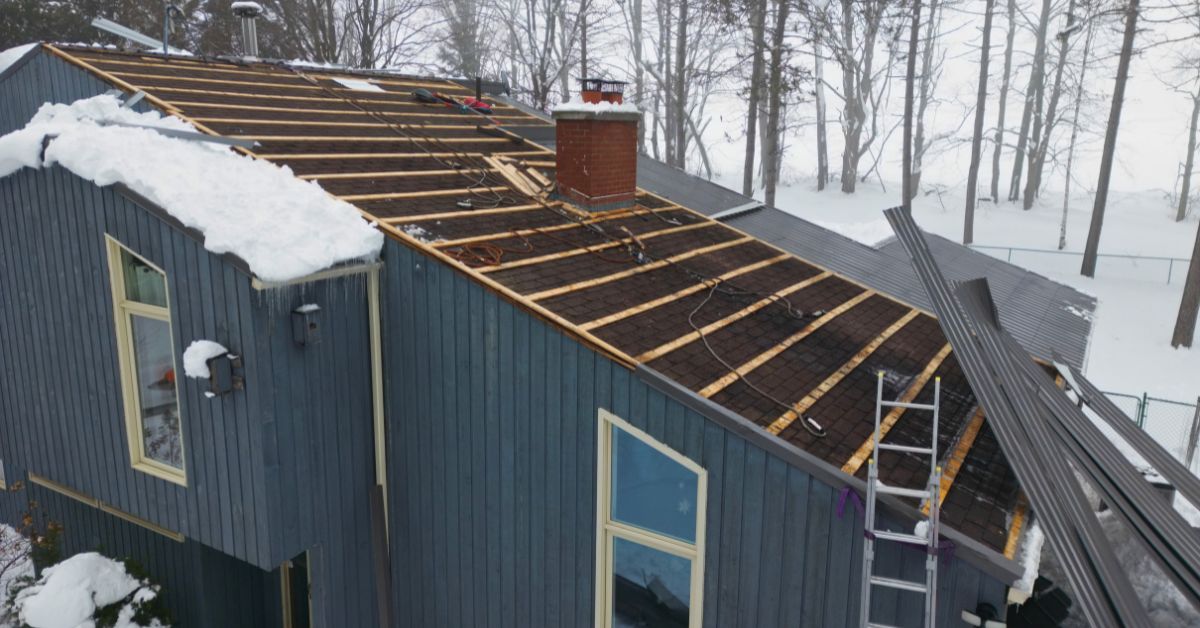
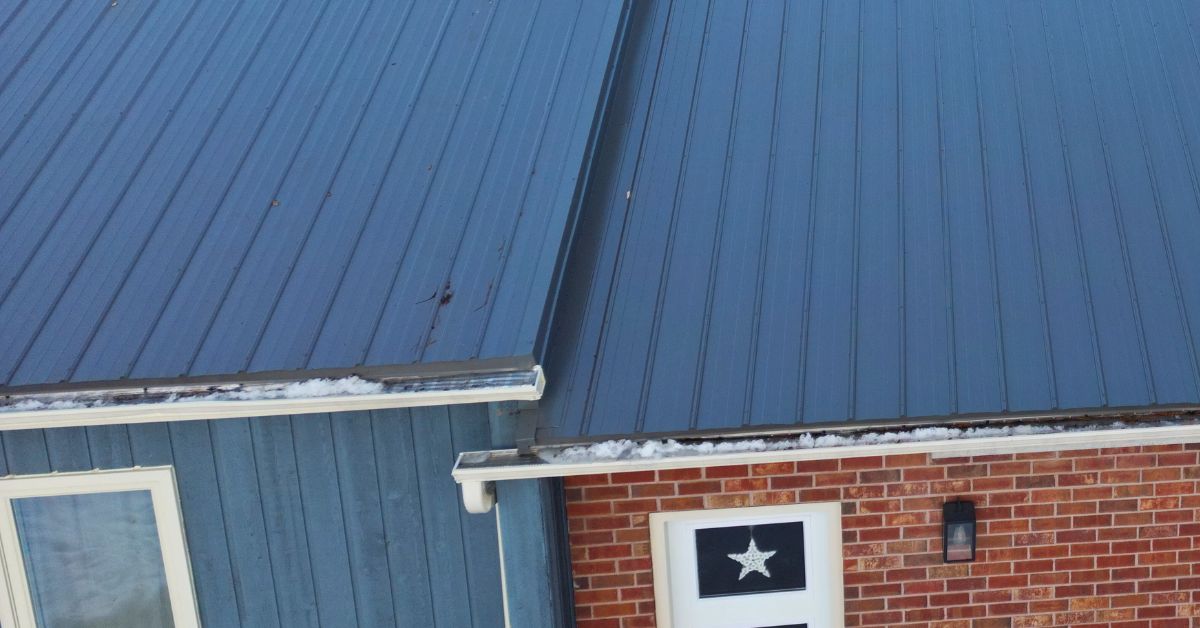
Ice buildup inside the gutter creates internal pressure at seams and joints. Repeated freeze and thaw cycles gradually weaken sealing and fasteners. The weight of snow additionally loads the fascia and hangers, especially if the system was not designed for such volumes.
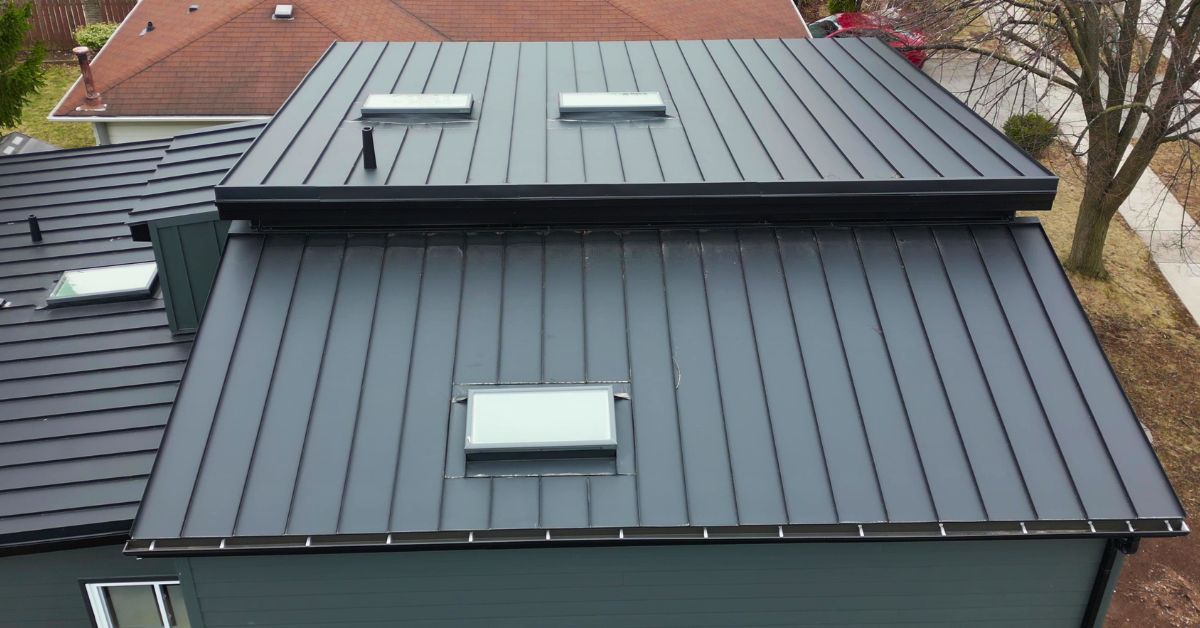
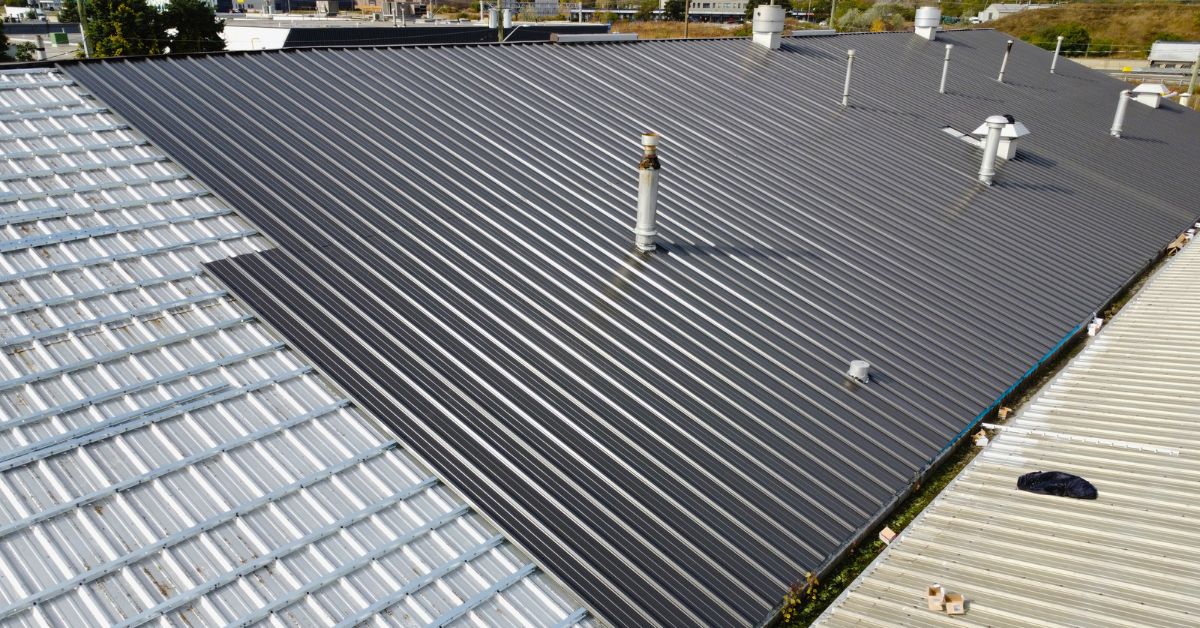
A separate factor is related to metal roofs. Snow tends to slide off metal roofs more quickly and in heavier sections, placing significant pressure on the front edge of the gutter. If the system was not designed to handle this type of movement, it would begin to deform sooner.
During the warm season, wear is intensified by clogs and constant water stagnation. A disrupted slope leads to moisture accumulation, which accelerates corrosion and joint deterioration. Thus, durability is determined not only by the material, but by how well the system is adapted to the climate and roofing characteristics.
Clear Signs It’s Time to Replace Your Gutters
The decision to replace it is made when the system loses its shape, tightness, or stops effectively directing water away from the house. It is important to understand that gutters may appear intact while already failing to perform their function under load during heavy rain or snowmelt.
The key criterion is not appearance, but the system’s ability to maintain proper slope, withstand seasonal loads, and direct water to a safe distance from the foundation. Below are signs that can be identified without specialized equipment.
Sagging Gutter Sections
Sagging sections indicate a loss of line rigidity and disruption of slope. Even minor changes in geometry lead to water stagnation, which accelerates metal wear and joint deterioration.
This can be identified visually by standing to the side of the house and looking along the entire gutter line. The contour must remain straight, featuring a gentle slope directed toward the downspout. Should any depressions appear between the hangers, or if water persists within the system after precipitation, the drainage functionality is compromised.
Separation from the Fascia Board
Gutter separation from the fascia indicates that the fasteners no longer withstand seasonal load. Over time, hangers may weaken due to the weight of snow and ice, especially when sharp temperature fluctuations occur in winter.
A gap between the back wall of the gutter and the fascia board is easily noticeable during a visual inspection from below. If fasteners are pulled outward or the gutter appears tilted forward, the load is distributed incorrectly, and the risk of complete detachment during the next snow slide increases significantly.
Persistent Leaks at Seams
Recurring leaks at connection points indicate joint wear and loss of sealing. Over time, the metal may deform and connecting elements lose tight contact.
If during rainwater drips not only from the downspout but also from gutter connection areas, this is a sign that the system no longer retains the flow within the line. Continuous application of sealant provides a temporary result and when the profile is deformed, the problem will return.
Water Accumulation Near the Foundation
If water accumulates at the base of the house after rain or active snowmelts, this means the system is not directing it to a safe distance. This may appear as constantly damp soil beneath the downspout, erosion of the foundation perimeter, or dark streaks on the lower part of the facade.
When functioning properly, the flow should be directed farther from the wall and not concentrate in one area. Continuous soil saturation increases load on the foundation and indicates that the gutter line is no longer performing its function.
Repeated Repairs in the Same Area
If the same sections require regular intervention, this is a sign of overall system wear. Reinforcing fasteners, resealing joints, or partial segment replacement may temporarily improve the situation. You need to remember that issues can return after the next seasonal load.
When damage occurs within the same line multiple times over a short period, this indicates a loss of overall rigidity and structural stability. In such cases, the system no longer functions as a single unit, and localized measures cease to be effective.
Gutter Replacement Approach
In Ontario, the gutter system should be considered part of the roof, not just a separate exterior feature. Because gutters experience the same seasonal stresses as the roof, their condition directly affects the protection of the fascia, soffit, and foundation.
During replacement, it is important to consider not only the material, but also the line slope, type of fasteners, spacing between hangers, and roofing specifics. For homes with standing seam metal roofing, the dynamic load from snow sliding must be considered. Without proper calculation and coordination with the snow retention system, wear will repeat regardless of material quality.
A system-based approach makes it possible to restore proper alignment, ensure stable fastening, and guarantee water discharge to a safe distance from the house. This type of installation ensures long-term performance of the entire roofing system under Ontario’s climatic conditions.