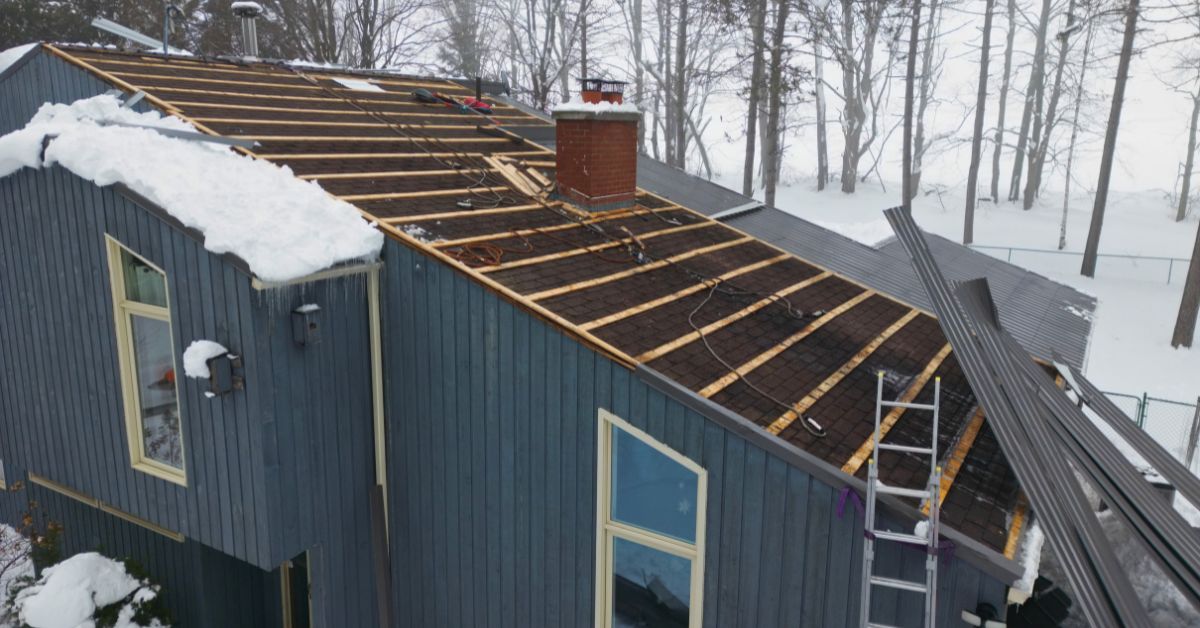
The roof is one of the most important parts of a home. It protects the house from weather conditions and external elements. Regardless of the type of roof, over time it requires repair or replacement. Leaks appear, which become noticeable through signs of moisture inside the house. At such moments, the question arises whether it is possible to limit the work to a repair or whether a full roof replacement is necessary.
Roof repair is a logical solution when the roof is relatively new and the problem is local. In the case of a roof whose service life is coming to an end, it is more correct to carry out a full roof replacement, especially if this problem has occurred before. The key factor is the overall condition and age of the roof as a single system, rather than a local failure.

When Roof Replacement Makes Sense
In practice, homeowners almost always try to solve any roof problems with spot repairs. This looks like a logical step, especially when the damage appears minor. However, in a number of situations, repair stops being an effective solution and only postpones the need for a full roof replacement.
During roof inspections prior to replacement, our specialists often encounter similar cases. Let us take a closer look at common situations where roof replacement is a more justified and long-term solution than repeated repairs.
Roof has reached the end of its lifespan
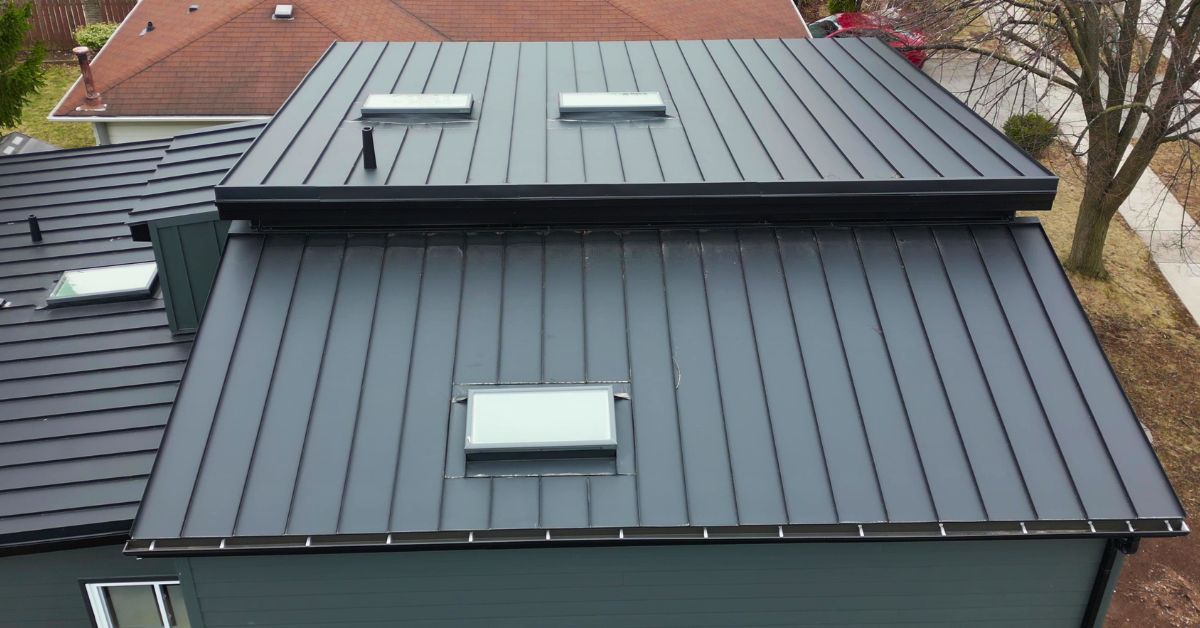
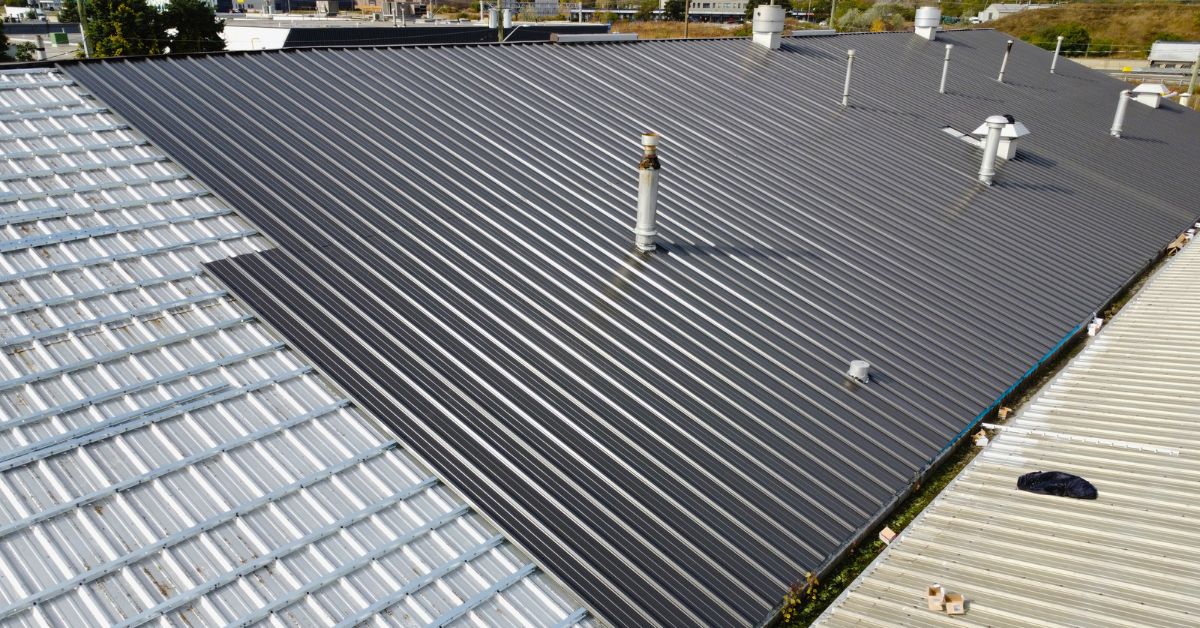
Each type of roofing has a limited service life. Even on our metal roofs, protective layers wear out and metal deformation can occur after decades of use. Other types of roofing materials have a significantly shorter service life. Even if the roof looks acceptable from the outside, this does not mean it is still able to reliably perform its function.
In such situations, repair eliminates individual symptoms but does not solve the underlying problem. The roof continues to age as a single system, and new damage becomes only a matter of time.
Damage affects more than one area of the roof
When problems occur in several areas of the roof at the same time, this is no longer a local failure. Leaks in different locations, damaged sections around the perimeter, or recurring defects indicate that the roof is losing its integrity as a system.
In such cases, localized repair stops being effective. Even if one problem is fixed, another appears nearby. This is a sign that the roof is no longer handling the loadhandling seasonal stress, and replacement becomes a more logical solution than trying to fix individual areas one by one.
Moisture has already affected the roof structure
With prolonged roof damage, moisture can penetrate beneath the outer layer of the roof and affect the decking and beams. In such cases, a musty smell, signs of moisture, and darkening of wooden elements can be noticed.
Repairing the upper roofing layer will not fix the problem, as structural elements have been seriously affected. Roof replacement allows the issue to be resolved comprehensively rather than masked with external fixes.
The roof no longer handles winter conditions
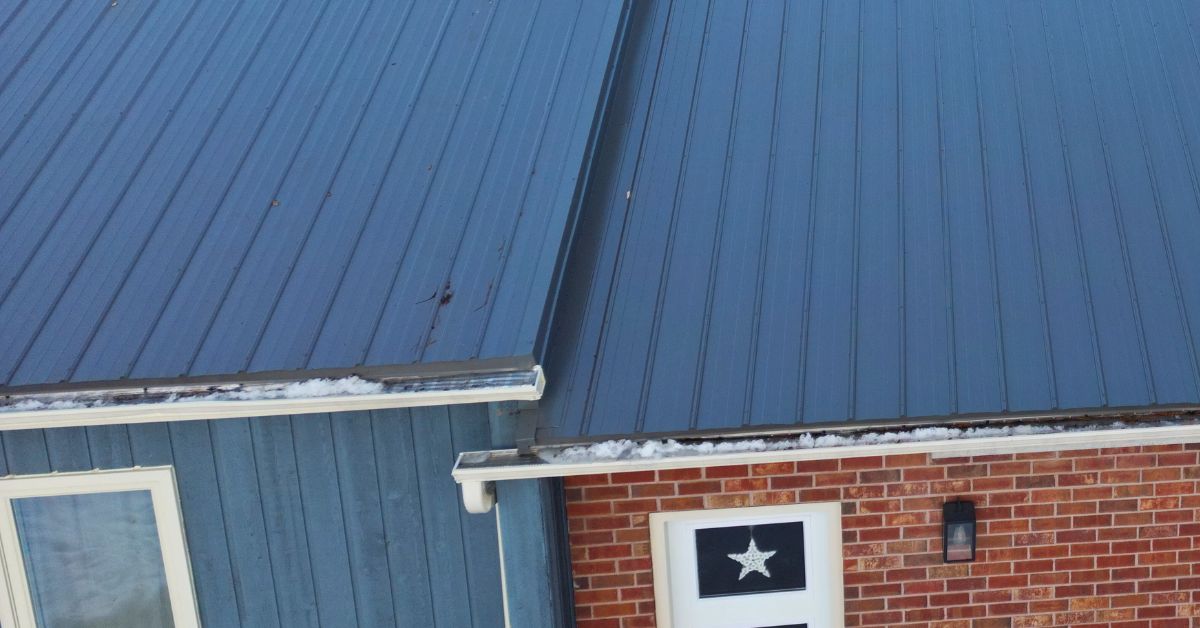
If new problems appear after each winter, this indicates that the roof is no longer coping with seasonal loads. Edge damage, leaks after thaws, or the need to repair the roof every spring indicate a reduced overall reliability of the roofing system.
Repair no longer solves the problem, and harsh winters in Ontario can cause serious issues. Roof replacement ensures that you will not face problems during the next severe Canadian winter.
Roof replacement helps prevent hidden damage
Sometimes a visible roof problem appears minor, but the real damage is located beneath the roofing material. Moisture can accumulate in the decking or insulation without obvious signs until the problem becomes serious. In such cases, external repair creates the impression that the situation is under control, while the structure continues to deteriorate internally.
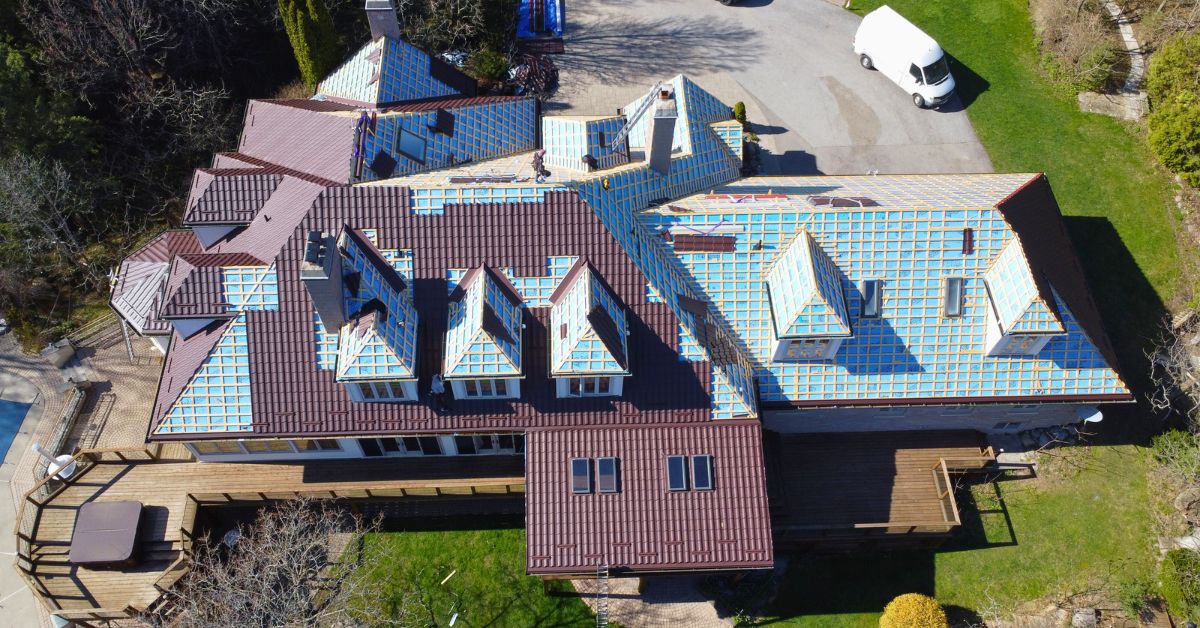
Roof replacement makes it possible not only to eliminate visible defects but also to assess the condition of the entire roofing system. This is especially important when there is suspicion of hidden damage that cannot be reliably assessed or resolved through localized repair.